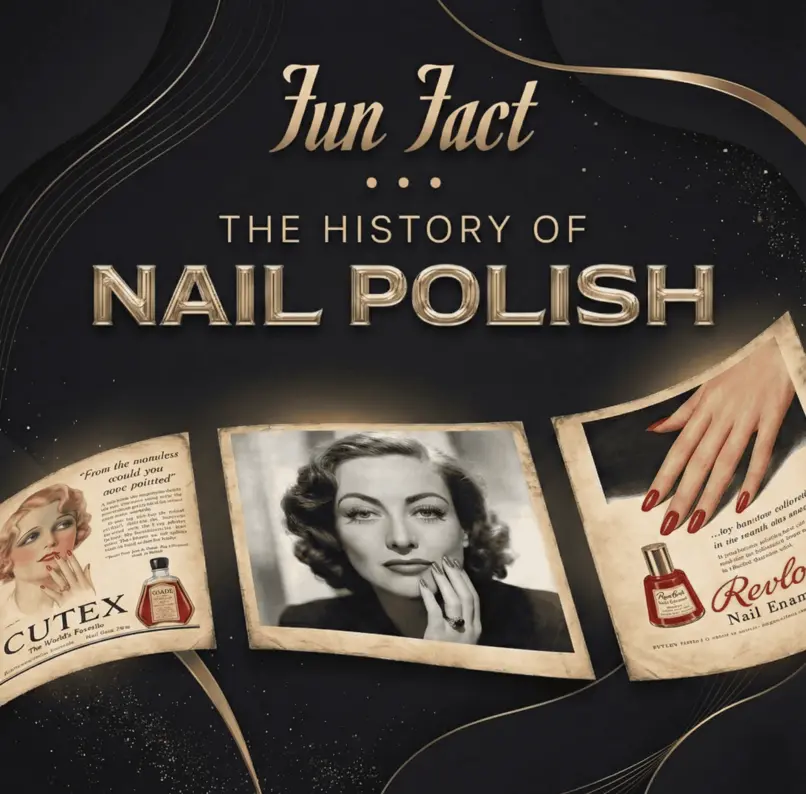
Nail polish is such a familiar part of beauty routines that it’s easy to forget it has a long history. The colorful bottles you see today are the result of more than 5,000 years of change, creativity, and cultural meaning. What once signaled rank and privilege is now an everyday form of style and self-expression.
In modern salons, technicians use products shaped by centuries of experimentation and improvement. Knowing how nail color began helps you appreciate the small bottle that can completely change your nails. The story from early natural dyes to advanced gel formulas is far more complex than most people think.
Ancient Origins: The First Nail Colors
Records of nail coloring go back to ancient China around 3000 BCE. Members of the royal court blended beeswax, egg whites, gelatin, and plant-based dyes to make shiny lacquers. These colors had strict meaning, showing position and rank within the imperial system.
Gold and silver were kept for rulers, while those of lower status wore softer, less striking shades. This wasn’t casual fashion; it followed rigid social rules backed by law. Wearing a color above your station could lead to harsh penalties. Your nail color clearly signaled who you were in society.
In ancient Egypt, people also colored their nails but used different materials and symbolism. Henna was applied to stain the nails, and deeper, richer tones suggested higher standing. Historical accounts describe powerful women choosing specific reds and ruby tones, and even mummies were often prepared with tinted nails as part of their journey to the afterlife.
The Modern Formula Emerges
The familiar form of nail polish did not appear until the 1920s. Its development was inspired by advances in automotive paint. A French makeup artist adapted car paint technology to create a polish that dried quickly and stayed on longer than older mixtures.
In 1932, a major cosmetics company released the first widely sold nail polish in a single shade known as cream. It was paired with a coordinating lipstick, helping introduce the idea of matching color cosmetics. For the first time, people could get a sleek, lasting finish at home without long hours of buffing and staining.
This innovation arrived at the right cultural moment. During the 1920s, more women entered the workforce and needed grooming routines that fit busy schedules. Fast-drying nail polish met that need, turning what had once been an elite luxury into an option more accessible to everyday consumers.
The Golden Age of Hollywood Influence
From the 1930s through the 1950s, nail polish became closely tied to Hollywood glamour. Film stars appeared on screen with immaculate manicures in rich reds and deep burgundy tones. Their looks reached audiences everywhere and set new beauty ideals many people wanted to copy.
Leading nail brands of the time competed with fresh shades and smart advertising. They recognized that customers hoped to mirror the sophistication they saw in movies. Marketing campaigns highlighted graceful hands and promised elegance in a single bottle.
The iconic red manicure became a symbol of femininity and refinement in this era. It suggested a neat, polished appearance whether you worked in an office, managed a home, or attended social events. This period firmly established nail color as a standard part of a complete, well-groomed look.
Evolution Through the Decades
Each decade has brought signature nail trends that mirrored broader culture:
- 1960s: Soft pastels and pearly finishes fit the bold, mod style
- 1970s: Natural, earthy shades suited back-to-nature values
- 1980s: Vivid neons and dramatic hues reflected excess and bold experimentation
- 1990s: Dark polishes and French tips offered sleek, refined options
- 2000s: Creative nail art and decorations turned nails into miniature design surfaces
These changes went beyond simple color choices. They reflected shifting views on femininity, work, personal style, and individuality. Nail polish became a subtle way to share personality and preferences without speaking.
The Technology Revolution
Today’s nail products are far more advanced than early formulas. Modern polishes dry quickly, resist chipping, and are available in countless finishes and colors. Gel systems provide weeks of wear, while breathable options allow moisture and oxygen to pass through to the nail plate. Many newer lines also avoid certain harsh chemicals.
UV and LED curing systems reshaped professional nail services. Long-lasting gel manicures became an everyday option instead of a rare treat. This shift raised expectations for how long a manicure should last and how fresh it should look.
Current innovations often focus on nail health as much as appearance. Strengtheners, vitamin-enriched polishes, and treatments designed to support recovery from damage show how the industry now balances beauty with care. Clients no longer have to choose between attractive nails and maintaining nail strength.
Appreciate the History in Every Bottle
Whenever you pick a nail color, you’re joining a story that began thousands of years ago. The product in that bottle brings together ancient traditions, silver-screen glamour, and modern cosmetic science. Every manicure links you to generations of people who used nail color to show identity, status, and style.
Experience the Evolution of Nail Color
Choosing a shade today connects you with a long history of beauty, culture, and innovation behind every bottle. With modern techniques and thoughtful product selection, your manicure can offer both long-lasting color and support for nail health. Our team focuses on results that look refined while respecting the condition of your natural nails.
📞 Call to book: (713) 451-9553
📍 Location: 14620 Woodforest Blvd, Houston, TX 77015
For a manicure that reflects this rich history of nail care, schedule your next visit at Vidao Nails And Spa.